In the kitchen

Making it reheat well

Meals that sit overnight behave differently than meals eaten straight off the stove. We make small adjustments as we cook, all aimed at one thing: the dish should taste the way it does when you make it, at the moment you reheat it — not at the moment it left our kitchen.

What we do, by dish

Braises, stews, chili, curries, soups

Almost nothing. These improve overnight, so we cook them as written and pack them whole. If a stew tightens up in the fridge, we'll hold back a little liquid so it loosens to the right consistency when you heat it.
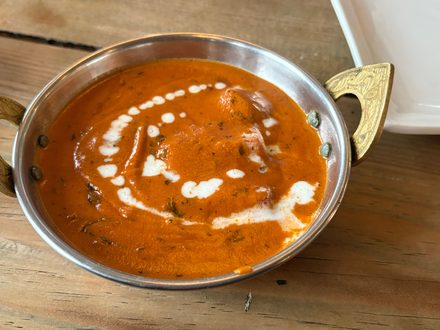
A curry simmered in a brass-handled pan

Pasta

We pull the noodles two to three minutes short of done and undersauce slightly. The pasta finishes cooking in the residual heat when you reheat it, and holds back enough starch to absorb the sauce instead of turning soft in it. Baked pastas we stop just before the top sets, so it browns in your oven rather than twice.

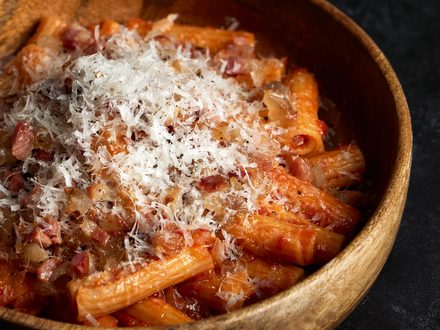
Rigatoni in tomato sauce, finished with grated cheese

Rice, grains, and beans

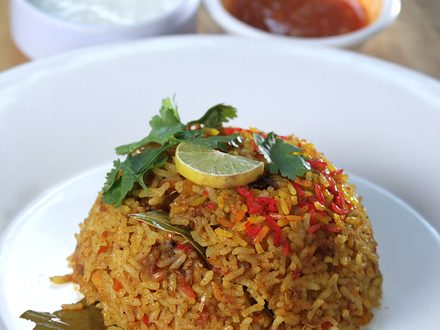
Cooked with a little extra liquid and cooled quickly. Grains firm up and dry out in the fridge, so the extra moisture is what they reabsorb on the way back to hot.

Spiced rice plated with sauces on the side

Roasted and sautéed vegetables

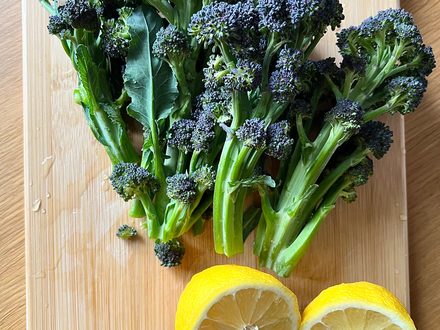
Cooked to just under where you'd stop, and spread thin to cool fast rather than steaming themselves in a warm container. Green vegetables get shocked cold to hold their color and bite.

Fresh purple sprouting broccoli and lemons on a board

Chicken, pork, and beef

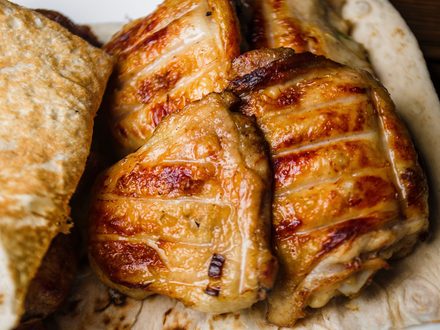
Cooked a few degrees below final temperature so reheating brings them to where they should be instead of past it. Roasts and larger cuts get sliced against the grain before packing, and we spoon over pan juices or sauce — the liquid is what keeps them from drying out the second time.

Roast chicken pieces with crisp browned skin

Anything crisp, fresh, or dressed

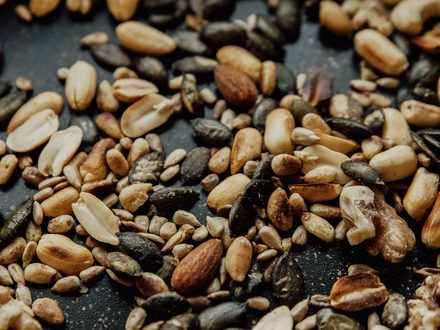
Packed as components. Breading, fried shallots, nuts, and toasted breadcrumbs go in a separate container so they don't soften against something wet. Fresh herbs, greens, dressings, sour cream, avocado, and citrus all go in on their own — those are added cold at the end, and cooking or reheating them just dulls them. Every recipe comes with a card telling you what goes where.

Toasted nuts and seeds, packed separately to stay crisp

Delicate sauces

Cream and butter emulsions split when reheated hard, so we either stabilize them slightly as we cook or send the sauce separately with instructions to warm it gently. If a sauce genuinely can't survive it, we'll say so up front.

A cream sauce spooned over a finished dish

What we'll be honest about

Deep-fried food, thin fish fillets, soft-scrambled eggs, and anything seared to order are hard to do well no matter who's cooking. If your recipe falls here, we'll tell you in the quote and suggest the closest version that does hold up.

Ready to send us a recipe?

Paste it exactly as you'd cook it. We'll handle the rest, and show you what we're planning alongside the price.

Order now